
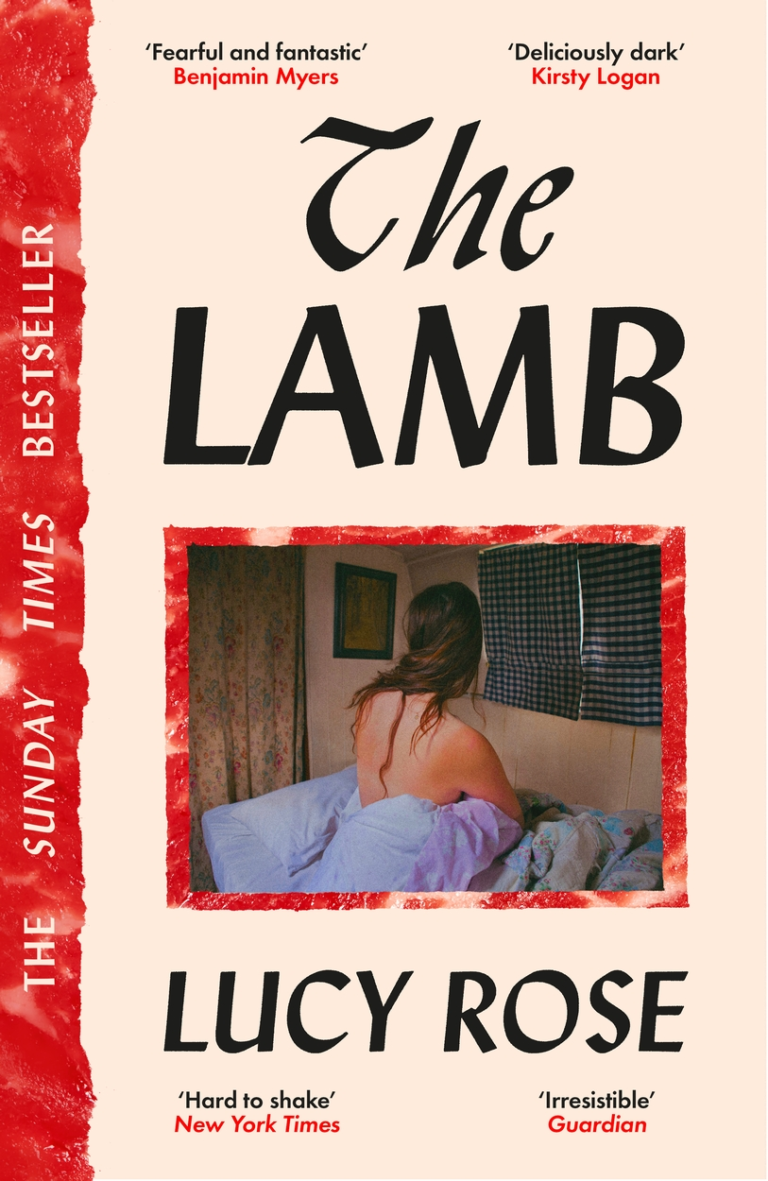
The Lamb was incredibly easy to fall into. I finished it much quicker than I expected, largely because the first-person narration feels so natural and fluid. It never felt like work to read; instead, you move through it almost without noticing, which really suits the tone of the novel.
What really stood out to me out was the descriptive writing. It’s incredibly vivid without feeling overworked, striking a careful balance between atmosphere and restraint. The landscapes, particularly the Lake District setting, feel tangible and lived-in, which makes sense given it was recommended to me by my boyfriend Tom, who’s from there and was keen to see how it was portrayed. It absolutely does the location justice, using the natural surroundings to quietly heighten the sense of unease that runs throughout the book.
“When the sun hit the pool and the trees sprinkled new leaves onto its surface, the water looked like copper.”
The character work is equally strong. Even though there are moments where you’re left with unanswered questions, it never felt overly frustrating. If anything, that ambiguity worked in the novel’s favour. By leaving certain gaps, Rose allows the reader to project their own interpretations and, in turn, their own horrors. That kind of psychological participation often lands harder than anything explicitly spelled out.
While I’ve seen the book pop up on various “most disturbing reads” lists, I wouldn’t say it’s the most outright terrifying thing I’ve encountered. Instead, it operates as more of a slow-burn – definitely quietly unsettling rather than overly shocking. There’s a creeping sense that everything is building towards something unavoidable, and when that realisation clicks into place, it makes the climax feel all the more inevitable.