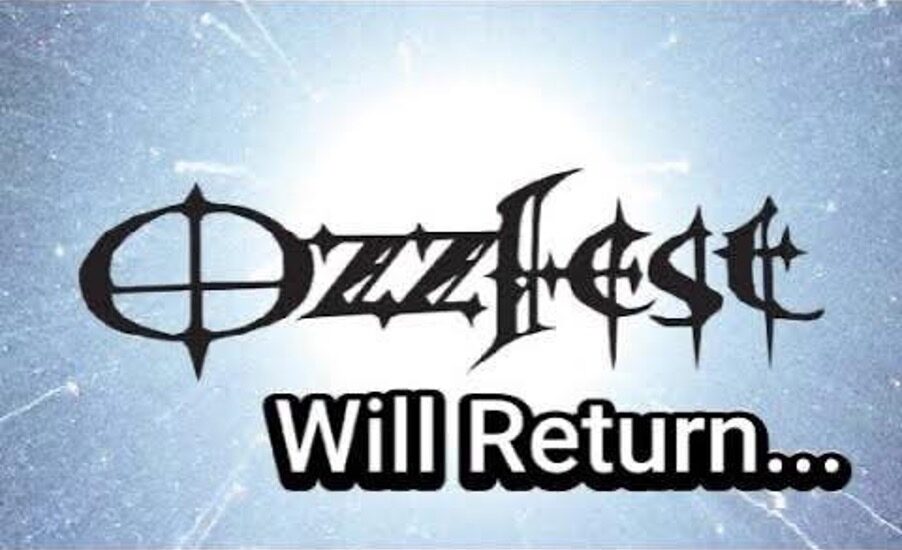
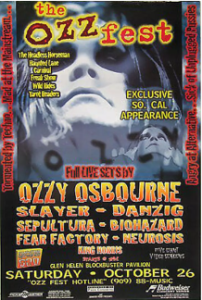
And so it’s been confirmed… After a very on the nose post from the official Ozzfest account and a statement from the late singer’s wife, Sharon, earlier in February, I think it’s pretty safe to say that the festival will be making a comeback in 2027.
When asked if Ozzfest will be returning at The Global Meeting for Music Industry Leaders in Cannes, France, Sharon responded:
“Yes, absolutely. We’re gonna do it.”
Super exciting news!! But Ozzfest returning isn’t just a nostalgia headline. It’s also food for thought on how infrastructure shapes music scenes. And more positively, how legacy can function as continuation rather than closure.
When it first launched in 1996, the cultural climate wasn’t exactly hospitable to heavy metal in its more extreme forms. The mid-90s mainstream still leaned towards post-grunge radio rock, while genuinely abrasive or theatrically transgressive bands were often marginalised. Enter Ozzy Osbourne and, crucially, Sharon Osbourne.
I think the origin story matters here. When Ozzy was reportedly blocked from certain major festival bills, Sharon didn’t accept exclusion; she built an alternative. Ozzfest wasn’t just reactive, it was strategic. If the existing structures wouldn’t accommodate metal’s more excessive edges, they’d construct their own.
While the main stage carried recognisable names — Iron Maiden, System Of A Down, Metallica and Judas Priest to name a few — the second stage became the site of cultural incubation. Before streaming metrics, viral sound clips and algorithmic “for you” pages, exposure meant physical presence. A huge part of this for bands meant playing to a crowd that might not know them yet.
Ozzfest provided bands which were smaller at the time with scale… weeks on the road, thousands of attendees a day, sub headlining for well established acts, and the credibility that comes with institutional affiliation. It’s difficult to overstate how important that was in the late 90s and early 2000s. A slot on the Ozzfest bill signalled legitimacy.
It also created cross-pollination. Fans who turned up for Ozzy were confronted with newer, heavier, sometimes stranger acts. That friction built scenes. It helped consolidate movements that might otherwise have remained regionally contained. Slipknot in particular are a prime example of this effect, Metal Hammer described their 1999 Ozzfest debut as:
“The start of something truly extraordinary,”
With Slipknot frontman, Corey Taylor, himself telling Rolling Stone:
“Ozzfest gave us an incredible opportunity and we were able to really jumpstart our career from there … The great thing about being a part of that Ozzfest was that you were immediately a part of a family.”
From a marketing perspective (because I can’t not look at it that way), Ozzfest functioned as a curated extremity machine. It packaged risk inside a recognisable brand. Audiences trusted the banner, which meant they were more willing to experiment within it.
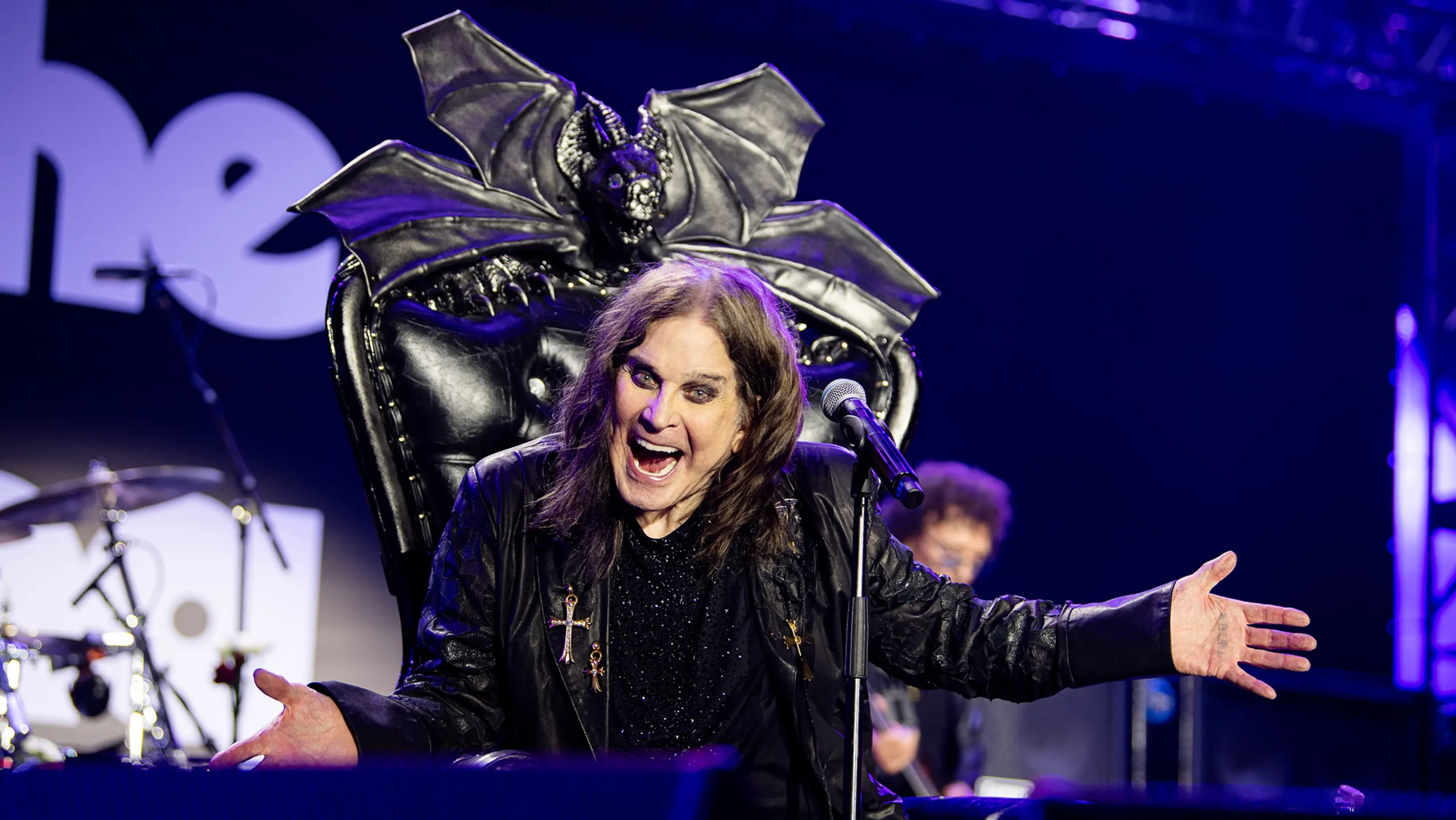
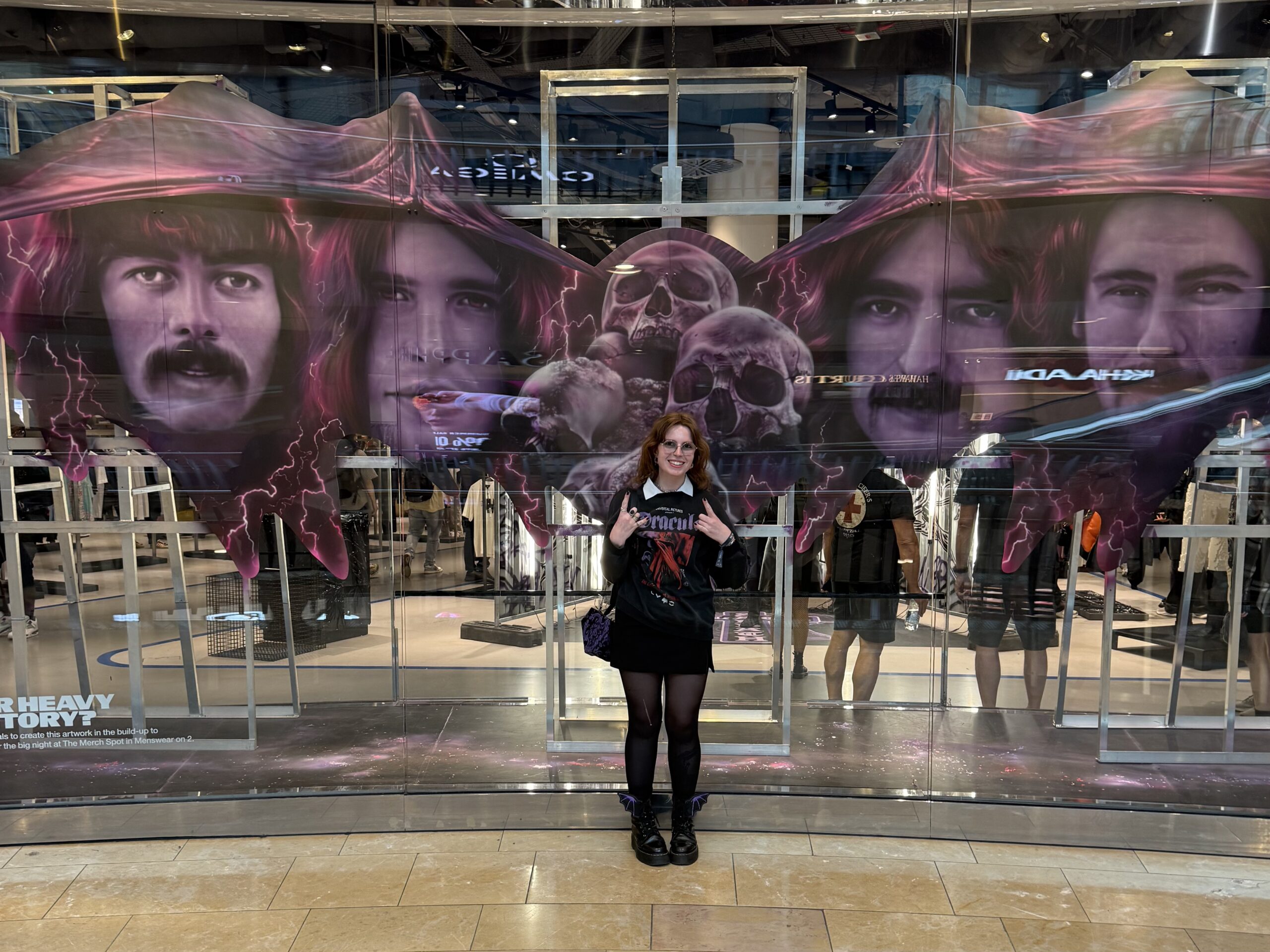
I went to “Back to the Beginning” last year knowing, realistically, that it would probably be the first and last time I would see Ozzy perform live. It will almost certainly go down as the best gig I ever attend, if only because of what it represented.
There’s something deeply surreal about watching someone who helped invent a genre on stage decades later, visibly affected by time but still commanding the attention of every single person in a sold out Villa Park, and that of the further thousands streaming the gig from all over the world. Ozzy wasn’t just performing songs; he was embodying a lineage.
You could feel the collective awareness in the crowd. This really wasn’t just another tour circuit. It was a closing chapter.
That’s why Ozzfest returning doesn’t cheapen that experience for me. It reframes it. While Ozzy’s personal performing era may have reached its end, the infrastructure he and Sharon built doesn’t have to vanish with it.
It would be easy to dismiss a returning festival as nostalgia marketing. Heritage circuits are lucrative. Audiences age alongside their idols. There’s a huge amount of money to be made through memory.
But Ozzfest has always been more than retrospective. If anything, it was generative.
I’ve got high hopes that the festival’s return will feel less like a museum exhibit of headline ready bands (I’ve got Download for that), and more like a reopening. That way Ozzy’s final performance isn’t undone. If anything, it becomes part of a larger arc: from originator, to icon, to the architect of a structure that outlives him.
There’s something quite comforting in that continuity.
For me Ozzfest coming back doesn’t dilute the emotion of his passing. But it does suggest that while individual careers conclude, the machinery they built keeps moving.
Which is, in many ways, the most metal outcome possible…